Gear & Technique
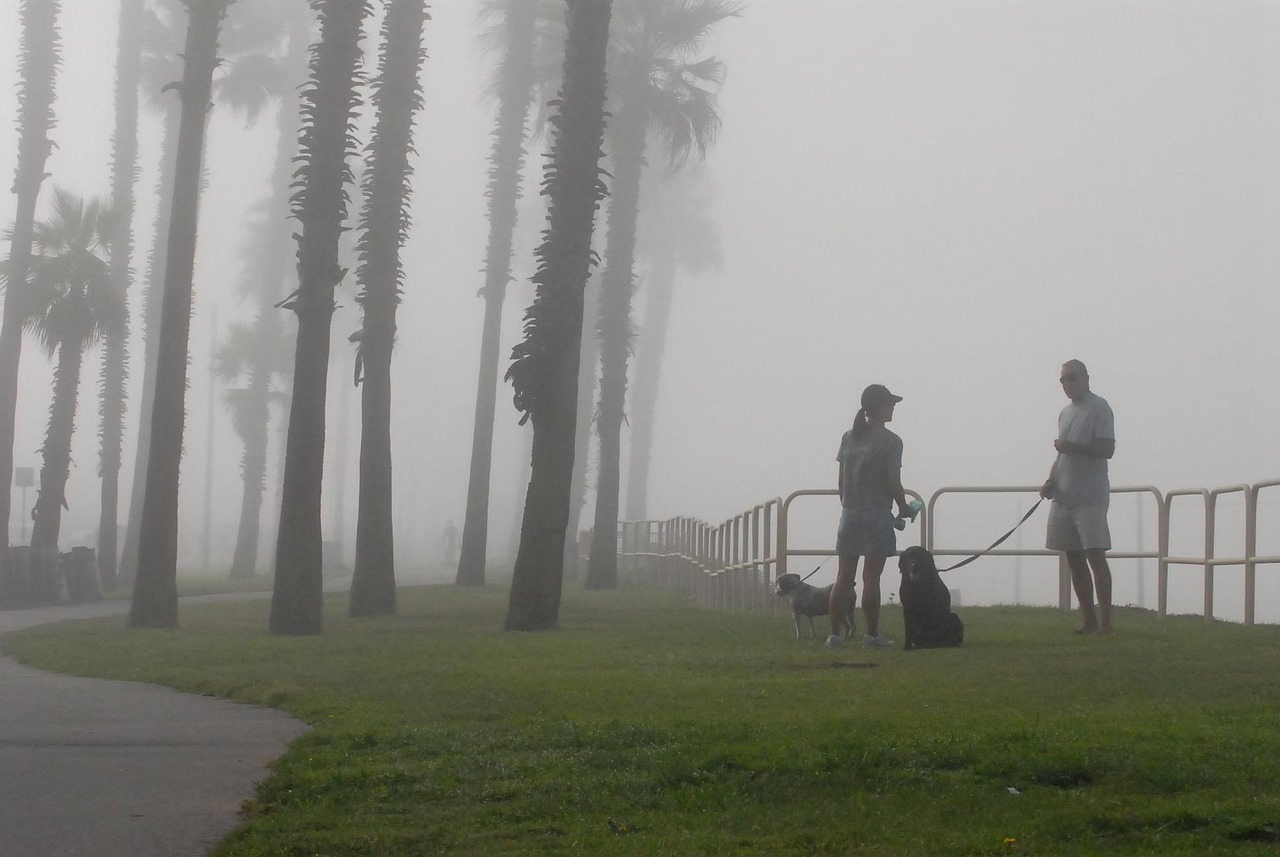
Most photographers chase sunshine. They plan trips around clear forecasts, golden hour windows, and cloudless skies. But anyone who has spent real time on the coast knows that the foggy mornings, the ones that swallow the headland and turn the sea into a pale grey nothing, are often the ones you remember. There is something about mist that strips a coastline down to its essentials: a silhouette of a breakwater, the faint outline of a fishing boat, the slow reveal of rocks as the tide comes in.
Fog does something that bright light cannot. It compresses the world into layers. Foreground, midground, and background stop being a jumble of detail and become distinct bands of tone. A simple line of wooden posts on a beach becomes a study in fading greys. A distant lighthouse becomes a rumour rather than a landmark. This is the kind of scene that rewards patience, because the fog is never static. It moves, thins, thickens, and occasionally lifts just enough to show you something you did not know was there.
The mistake many of us make in fog is trying to force contrast that is not there. We crank up clarity, push shadows, and end up with muddy, artificial-looking images. The better approach is to lean into the softness. Expose for the brighter areas so the fog stays luminous rather than turning into flat grey sludge. Let the shadows sit quietly. If your camera has a tendency to underexpose in these conditions, a little positive exposure compensation often helps keep the mist looking like mist.
Composition matters even more when detail is scarce. Look for shapes and negative space. A single figure walking a dog along the shoreline, barely visible, can anchor an entire frame. A row of gulls on a wet railing becomes a rhythm. And because fog hides the wider context, you can shoot locations you might otherwise dismiss as too busy or too familiar. The car park at the end of the promenade, the working harbour, the estuary path, all of them take on a different character when the horizon disappears.
Colour is another thing to reconsider. In heavy fog, saturated colours look wrong. Muted tones, cool blues, soft greens, and the dull orange of a buoy or a raincoat become the only notes of colour in the frame. That is usually enough. Resist the urge to warm everything up in editing. Sometimes the most honest version of a foggy morning is also the most beautiful.
Fog means moisture, and moisture means care. Keep a microfibre cloth in your pocket and check your front element often, because a single smear will soften an already soft scene into mush. Lens hoods help, but in really thick conditions, a simple rain cover or even a shower cap over the camera between shots can save you a lot of grief. Tripods are useful not just for stability but for slowing down, which suits the mood of the morning.
Timing is everything. Fog often burns off within an hour of sunrise, so getting there early is worth the alarm. On the other hand, some of the best moments come just as the fog begins to lift, when a sliver of light cuts through and the world reappears in stages. Stay longer than you think you need to. Make a flask of coffee. Talk to the fishermen. The coast in fog is not a place to rush, and the photographs that come out of it tend to reflect that slower pace.
