Coastal Travel
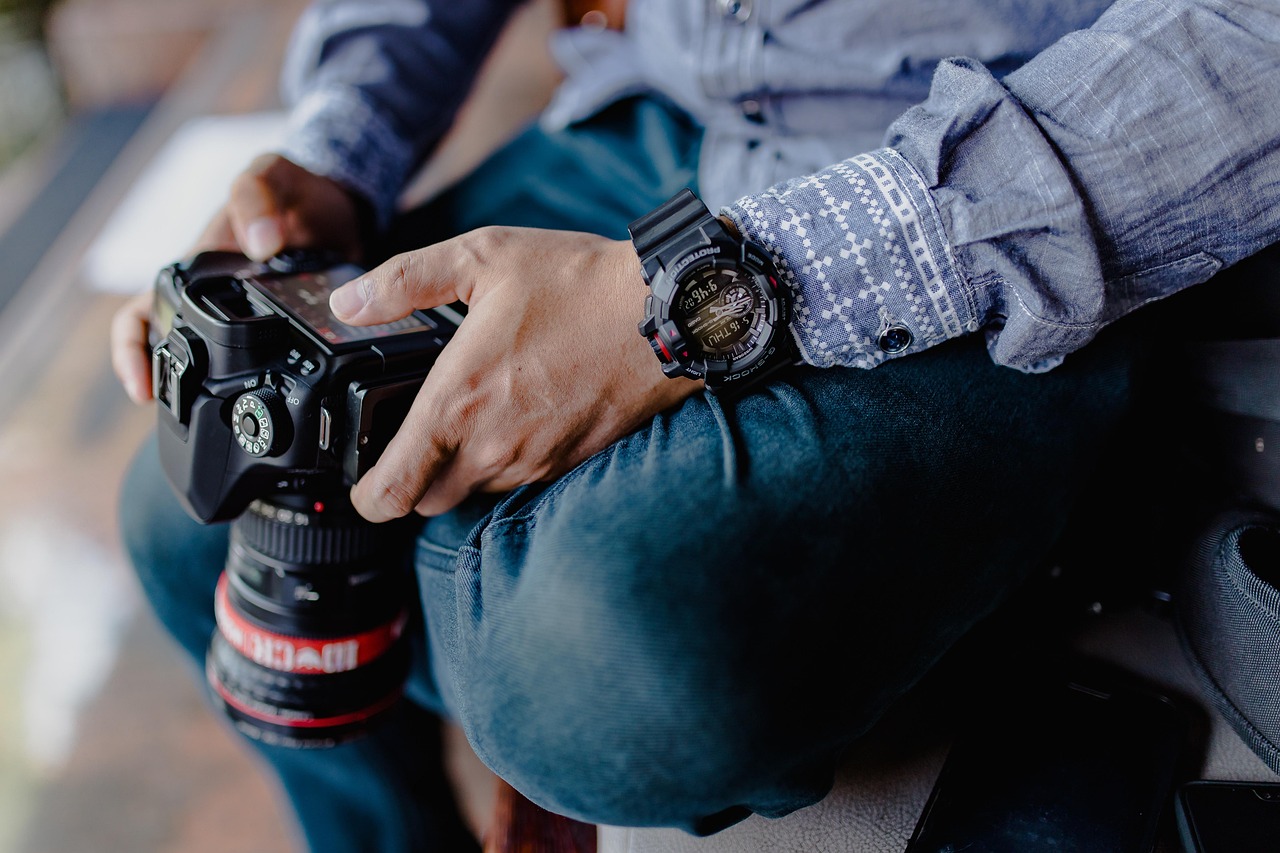
Coastal photography has a way of exposing the gap between what you think you need and what you actually use. Sand gets into everything, salt spray settles on lenses, and the walk from the car park to the viewpoint is often longer than expected. After enough trips, most photographers end up carrying less, not more, and the gear that survives the cut tends to be simple, weather-resistant, and easy to clean.
This is not a list of expensive recommendations. It is a list of things that consistently prove useful on the coast, whether you are shooting with a phone, a compact, or a full-frame kit. The goal is to come home with good images and gear that still works.
Start with a camera you do not mind getting slightly wet. Weather sealing is genuinely valuable near the sea, but even without it, a simple rain cover or a plastic bag with a hole cut for the lens will get you through a sudden shower. A zoom lens in the 24 to 70 millimetre range covers most coastal scenes, from wide harbour views to tighter shots of boats and rock pools. If you prefer primes, a 35 millimetre lens is a versatile compromise between context and detail.
A polarising filter is the single most useful accessory on the coast. It cuts glare from water and wet sand, deepens skies, and reveals colour that otherwise washes out. A neutral density filter is worth carrying if you want to blur waves into mist with long exposures, though it is not essential for every trip. Bring a microfibre cloth, ideally two, because salt and sand will find their way onto your front element no matter how careful you are.
A dry bag is cheap insurance. Even a light one will keep your camera safe if a wave catches you off guard or if you slip on wet rocks. A small tripod, light enough to carry on a coastal walk, opens up dawn and dusk shooting and makes long exposures possible. If you shoot handheld most of the time, consider whether the tripod is worth the weight, but for serious coastal work it usually is.
Beyond the camera itself, think about your own comfort. Windproof layers, footwear with grip, and a small towel will do more for your photography than an extra lens you never mount. Cold hands shake, wet feet end trips early, and discomfort shows up in your compositions.
The best coastal kit is the one you will actually carry. Trim ruthlessly, protect what you bring, and spend your energy on looking rather than on managing gear. The coast will reward the photographer who travels light and stays a little longer.
