Photography Tips
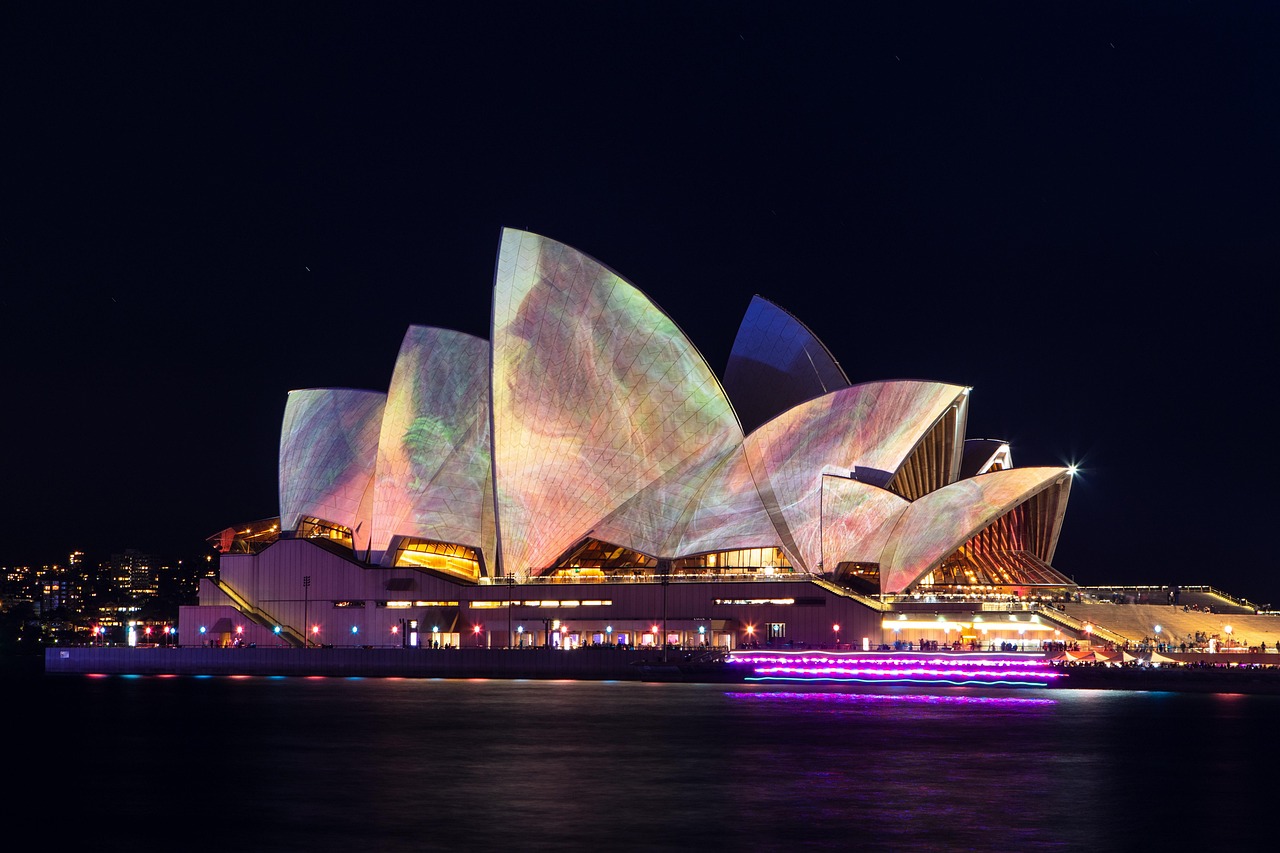
As the light fades and the day boats settle on their moorings, a harbour changes character. The working day is over, the gulls have quietened, and the water becomes a mirror for whatever light is left. This is when the harbour shows a different face: lamplight on wet stone, the glow of a cabin window, the slow blink of a navigation buoy, the orange sodium glow of a car park that somehow looks beautiful at this hour. Night photography on the coast is its own discipline, and it is well worth learning.
The first thing to understand is that you do not need total darkness. The most interesting harbour night shots often come from the blue hour, that window just after sunset when the sky still holds colour and the artificial lights are starting to come on. The balance between natural and artificial light is what makes these images work, and it is a balance you can only catch in a fairly narrow window.
A tripod is close to essential. Handheld night shots are possible with modern stabilisation, but they limit your options and force you into high ISOs that soften detail. With a tripod, you can keep your ISO low, stop down for depth of field, and use shutter speeds long enough to smooth the water and capture reflections properly. A remote release or a two-second timer will remove the risk of camera shake when you press the button.
Exposure is a matter of taste. If you expose for the brightest lights, you will keep detail in the lamps but lose the shadows. If you expose for the shadows, the lights will blow out into white blobs. Often the best approach is somewhere in between, and then a little adjustment in editing. Do not be afraid of dark areas in a night photograph. Black is a legitimate part of the composition.
Look for reflections first. Calm water doubles the lights, the boats, the buildings, and the sky. A slight ripple breaks the reflection into texture, which can be even better than a perfect mirror. Wind is your enemy here, so sheltered corners of a harbour are often more productive than the open waterfront. Puddles on the quay are another gift, especially after rain.
Night changes what a harbour is about. During the day, it is a place of work and movement. After dark, it becomes quieter and more personal. A fisherman mending nets under a single bulb. A couple walking a dog along the promenade. The last ferry easing out of the dock. These are the moments worth waiting for, and they often require patience and a willingness to stand around in the cold.
Respect the people you are photographing. A harbour at night is not a public spectacle, and the people working there are not props. Ask before you photograph anyone clearly identifiable, and be prepared to be told no. If you are shooting long exposures, you may find that people walk through your frame, which can be a problem or an opportunity, depending on how you feel about ghostly figures in your images.
Finally, be careful. Harbours at night have uneven surfaces, wet edges, and deep water. Take a torch, watch your step, and never back up towards the quay edge while framing a shot. The best night photographs come from being comfortable and unhurried, and that starts with looking after yourself while you work.
