Photography Tips
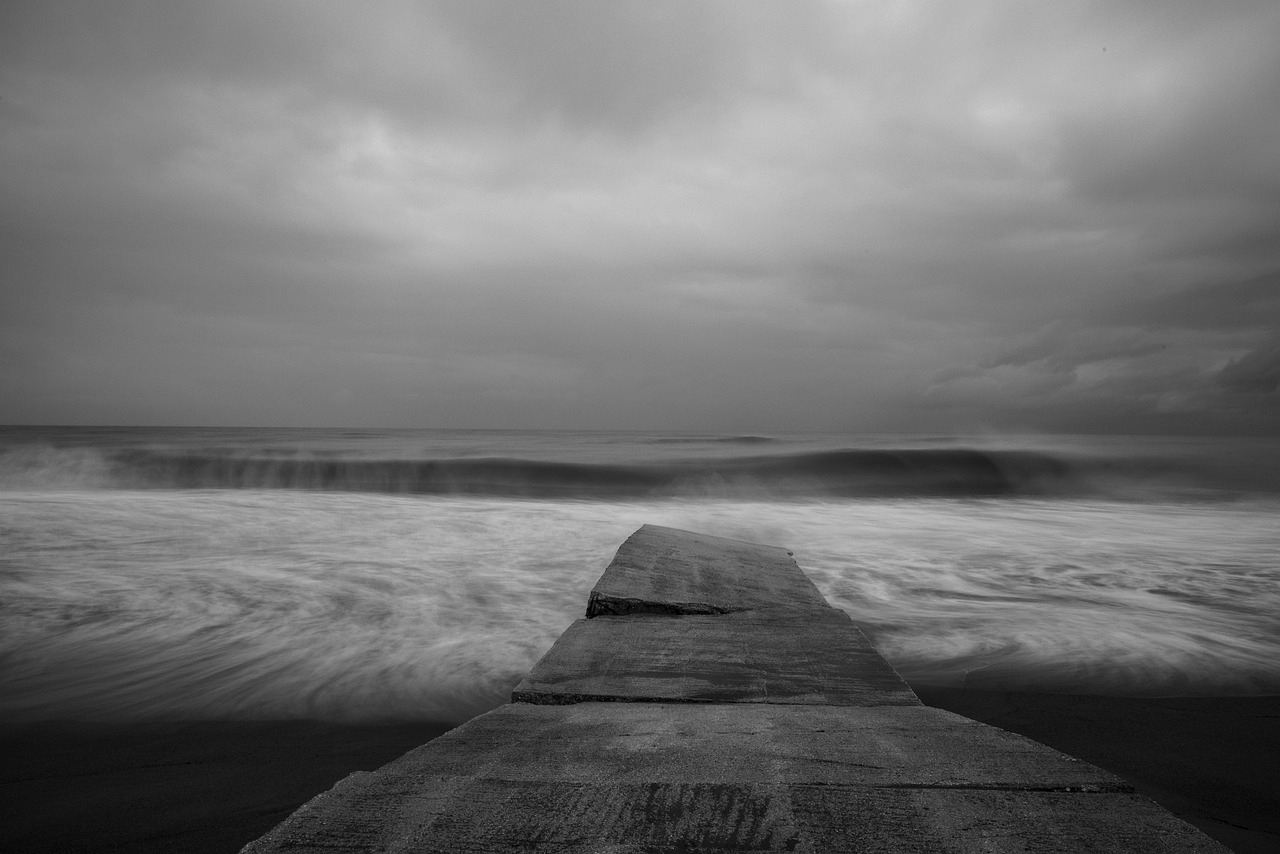
Sooner or later, every coastal photographer gets caught out. The forecast said showers, the sky looked manageable, and then the squall came in off the sea and turned the whole afternoon into a horizontal wall of water. You can pack up and retreat to the car, or you can accept that bad weather is often the best weather, and learn to work in it without destroying your kit.
The good news is that most modern cameras are tougher than we give them credit for. The bad news is that salt water is genuinely corrosive, sand gets everywhere, and condensation can do quiet damage over months rather than minutes. A little preparation goes a long way, and none of it requires expensive specialist gear.
Start with the basics. A rain cover designed for your camera is worth having, but a clear plastic bag and a couple of elastic bands will get you through a shower in a pinch. A lens hood keeps spray off the front element and reduces flare when the sun breaks through. A microfibre cloth in a zipped pocket is essential, and so is a second one kept dry for the final wipe-down at the end of the day.
For your own comfort, a proper waterproof jacket beats an umbrella every time on an exposed coast, because the wind will make short work of anything you have to hold. Gloves that let you operate dials are a small investment that pays off in winter. And a dry bag for spare batteries and cards means you always have something working even if the rest of your kit gets soaked.
Tripods need attention too. Sand and salt get into the leg locks and grind away at the internals. If you are shooting on a beach, rinse the legs in fresh water when you get home and dry them fully before collapsing them. The same applies to any bag you set down on wet rocks or sand. A quick rinse and air dry will add years to its life.
The real point of all this protection is not just to keep your gear alive. It is to let you keep shooting when the light and the sea are at their most dramatic. Storms bring spray, big skies, and reflections on wet sand that you simply cannot get on a calm day. Rain clears the air and saturates colour. Wind moves the water into shapes that feel alive.
Look for the moments between the worst of it. A break in the cloud, a shaft of light on a wet breakwater, a wave hitting a wall and throwing spray into the air. Shoot with a fast enough shutter speed to freeze the spray, or slow enough to blur it into mist, depending on the mood you want. Change your position often, because the wind will push rain onto your lens from different angles and you will find one direction works better than another.
Finally, build in a drying routine. When you get back, wipe everything down with fresh water on a damp cloth, dry it thoroughly, and leave the bag open overnight. Take the memory cards out and let them come to room temperature before you put them in a reader. These small habits mean that the next time the weather turns, you will be reaching for your camera rather than your insurance policy.
