Photography Tips
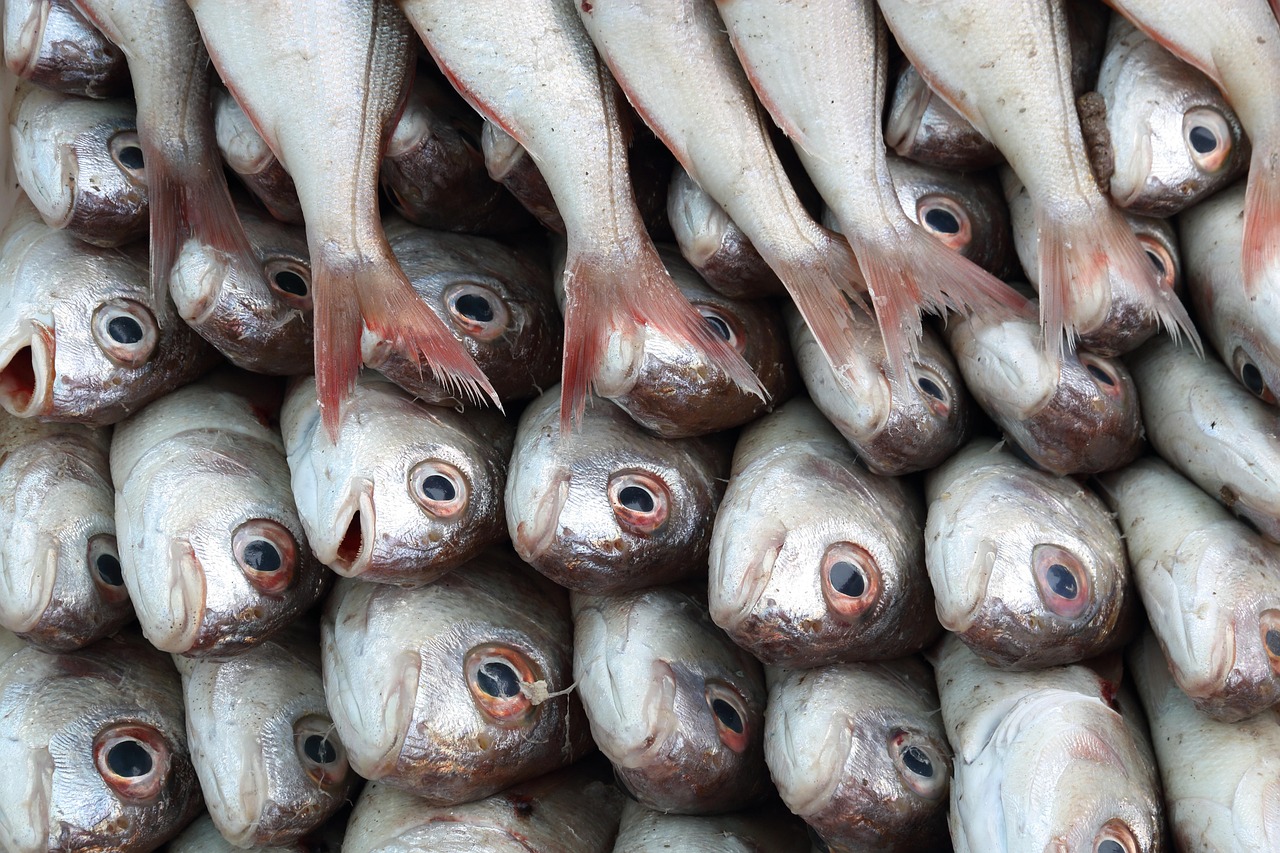
There is a particular kind of hunger that only a working harbour can satisfy. Not the polite appetite of a seafront restaurant with laminated menus and a view of the marina, but the real thing: salt on your lips, diesel in the air, and the smell of fresh fish drifting from a shed that has been there longer than anyone can remember. If you travel the coast with a camera in one hand and an appetite in the other, the working harbour is where both get fed.
The first rule is to follow the boats, not the signs. Wherever trawlers and day boats land their catch, there will be someone nearby selling it, cooking it, or both. Sometimes it is a proper fishmonger with a tiled counter and a queue out the door. Sometimes it is a van in the corner of the car park with a hand-written board. Either way, that is your lunch. Ask what came in this morning. Ask what they would take home themselves. You will rarely be led astray.
Timing matters. Harbours have rhythms, and the food follows them. Early morning is for the market, the auction, the unloading. Mid-morning is for the smokehouse and the shellfish stalls. By early afternoon, the day boats are back in and the little cafes that serve the crews start to fill up. These are the places worth sitting in, not because the decor is charming, though sometimes it is, but because the food is honest and the portions assume you have been working since four in the morning.
Look for the staples of a working coast. Crab sandwiches made with meat picked that morning. Mussels steamed in cider or white wine. Smoked mackerel still warm from the kiln. A paper cone of prawns eaten on a bollard while the gulls watch. In colder months, look for fish soup, chowder, or whatever the local name is for a thick, warming bowl of whatever did not sell. These dishes are rarely fancy and rarely expensive, and they taste like the place you are standing in.
Do not ignore the non-fish options either. Harbour towns often have a bakery that has been feeding the fleet for generations, and a butcher who makes pasties or pies specifically for people who will eat them standing up. A flask of tea from a van near the slipway can be the best thing you taste all day, especially if the wind is coming off the water.
One of the pleasures of eating on a working harbour is that you are never fully separated from the place. You eat looking at the thing you are eating, or at least at the water it came from. That connection is worth seeking out, and it is increasingly rare. So take your time. Sit on the wall. Watch a boat come in. Let the light change while you finish your sandwich. Photograph the counter, the hands, the steam, the stack of crates, the dog asleep under the table.
And be curious. Ask the person shucking oysters where they learned. Ask the woman frying scallops if the season has been good. You will get stories, opinions, and occasionally a recommendation that takes you somewhere better than anywhere you had planned to go. That is the real travel, and it tastes better than any guidebook entry ever could.
