Coastal Travel
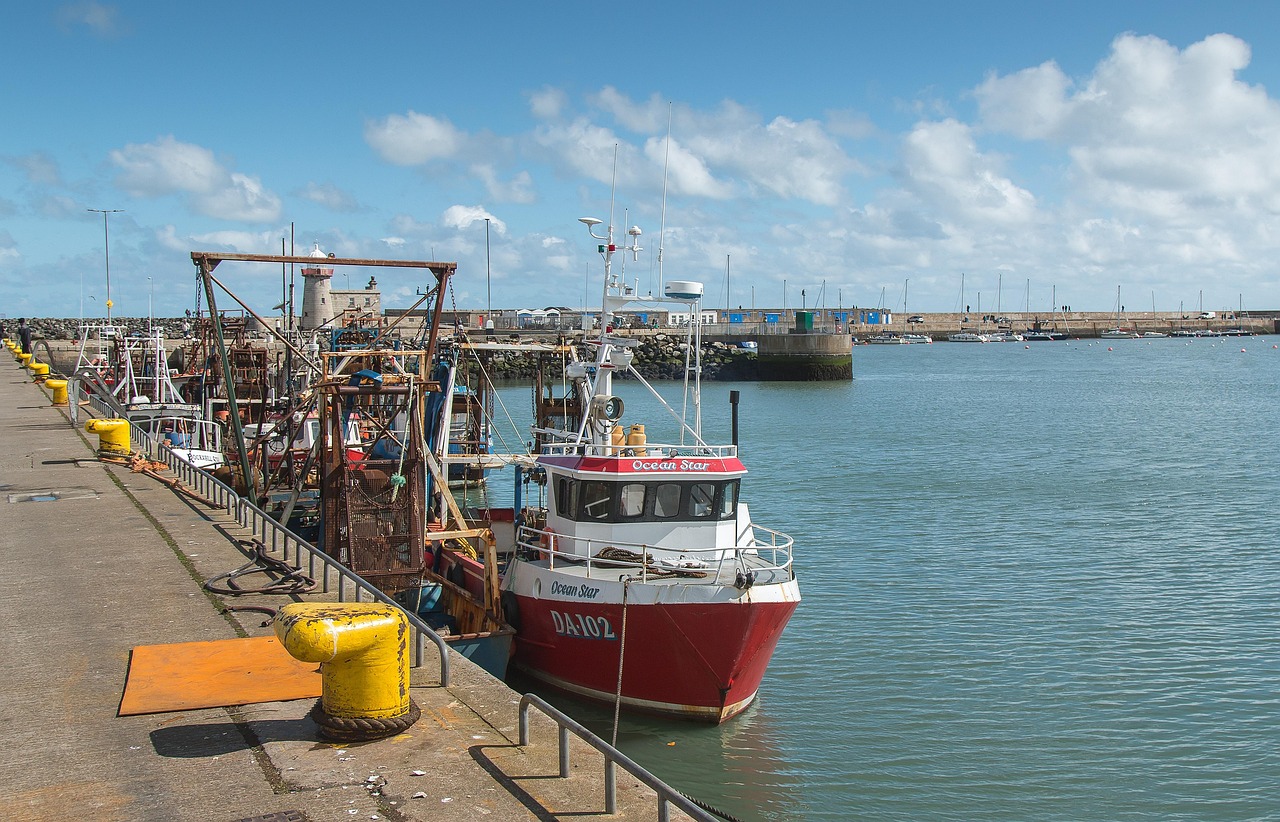
Harbours are among the most photographed places on any coastline, and for good reason. They offer colour, texture, reflections, and human activity all in one compact space. The downside is that the same few compositions appear again and again: the row of colourful boats, the reflection at sunset, the lighthouse framed by the pier. These images can be beautiful, but they rarely say anything new. If you want your harbour photographs to stand out, you need to look past the obvious and find the details that most people walk by.
The first step is to visit at an unusual hour. Harbours are busiest in the middle of the day when tourists arrive and quietest at dawn, when only the working boats are moving. Early morning gives you soft light, empty quays, and the chance to photograph people doing real work rather than posing. Late evening, after the crowds leave, offers a different kind of stillness, with lamps reflecting in still water and the low hum of boats settling for the night.
Instead of photographing the whole harbour, isolate parts of it. A coil of rope on weathered timber, a stack of crates in fading paint, the curve of a hull against dark water. These small scenes carry the character of the place and are far less reproduced than the wide views. Get close, use a shallow depth of field, and let the background fall away. The goal is to make the viewer feel the texture of the harbour rather than simply recognise it.
People matter too. A harbour without people is a stage set. Wait for a fisherman to cross the frame, a child to lean over the edge, a dog to trot along the quay. These moments add scale and story. Be respectful, ask before photographing anyone close up, and be prepared to put the camera down if the answer is no.
Harbours change completely with the weather. Fog softens edges and turns familiar scenes into something mysterious. Rain brings reflections and umbrellas. Wind creates movement in flags, ropes, and water. Rather than waiting for perfect conditions, learn to shoot in the ones you get. A grey day can be an opportunity if you embrace it rather than fighting it.
Finally, return to the same harbour more than once. Familiarity is not the enemy of good photography, it is the foundation of it. The more you know a place, the more you notice, and the more likely you are to catch the moment that everyone else missed. The best harbour photographs are rarely taken on a first visit. They come from patience, repetition, and a willingness to look again.
